Tablet OS Evolution: Past, Present, and Future
Tablets have transformed from niche computing devices into powerful productivity and entertainment tools. At the heart of this transformation lies the evolution of tablet operating systems (OS). Over the past two decades, tablet operating systems have undergone remarkable changes, adapting to advancements in hardware, user expectations, and emerging technologies.
Table of Contents
- The Early Days of Tablet Operating Systems
- The Tablet Revolution: The Rise of Mobile-First Operating Systems
- The Emergence of Dedicated Tablet Operating Systems
- The Current State of Tablet Operating Systems
- Artificial Intelligence and Tablet Operating Systems
- Cloud Computing and Cross-Platform Integration
- The Future of Tablet Operating Systems
- Conclusion
From early experimental platforms to today’s sophisticated ecosystems, the journey of tablet OS evolution reflects the broader progress of mobile computing.
The Early Days of Tablet Operating Systems
The concept of tablet computing predates modern tablets by several years. Early tablet devices in the 1990s and early 2000s relied heavily on desktop operating systems adapted for touchscreens.

Early-generation tablet PC with a stylus displaying a classic desktop-style operating system interface, representing the first era of tablet computing.
Microsoft’s Early Tablet Vision
One of the first major attempts at tablet computing came from Microsoft with Windows XP Tablet PC Edition in 2002. These devices featured stylus-based input and handwriting recognition. While innovative, the technology faced limitations due to hardware constraints, limited battery life, and operating systems that were not designed primarily for touch interactions. Users often found the experience cumbersome because traditional desktop interfaces were difficult to navigate on smaller touchscreens.
Challenges of Early Tablet Platforms
Early tablet operating systems struggled with:
- Poor touch optimization
- Limited application ecosystems
- High device costs
- Short battery life
- Heavy and bulky hardware
Despite these challenges, these early efforts laid the groundwork for future innovations in mobile operating systems.
The Tablet Revolution: The Rise of Mobile-First Operating Systems
The tablet market experienced a dramatic shift in 2010 with the introduction of the first iPad. This marked the beginning of a new era for tablet operating systems.
iOS and the Modern Tablet Experience
Apple’s iOS introduced a touch-first design philosophy that prioritized simplicity and usability. Unlike desktop-based systems, iOS was specifically optimized for touch input.

User interacting with a touchscreen tablet using finger gestures, demonstrating the shift from traditional computing interfaces to touch-optimized tablet operating systems.
Key innovations included:
- Multi-touch gestures
- Smooth user interface animations
- Long battery life
- App-centric ecosystem
- Seamless hardware-software integration
The success of the iPad demonstrated that tablets could serve as standalone computing devices rather than merely portable PCs.
Android Enters the Tablet Market
Google soon expanded Android beyond smartphones and into tablets. Early Android tablets faced challenges due to inconsistent hardware and applications that were not optimized for larger screens. However, Android gradually matured through successive updates that improved:

A premium Android tablet showcasing advanced productivity features, including split-screen multitasking, note-taking, file management, and business applications.
- Tablet-specific interfaces
- Split-screen multitasking
- App scaling
- Stylus support
- Productivity features
Manufacturers such as Samsung, Lenovo, ASUS, and Xiaomi helped expand Android’s presence in the tablet market by offering devices across multiple price ranges.
The Emergence of Dedicated Tablet Operating Systems
As tablets became more powerful, operating systems evolved beyond simple mobile platforms.
The Birth of iPadOS
In 2019, Apple introduced iPadOS as a dedicated operating system for iPads. This marked a major milestone in tablet OS evolution.

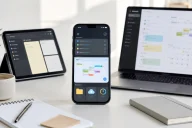
Modern iPad displaying iPadOS multitasking features, file management, calendar scheduling, note-taking, and creative design tools with Apple Pencil support.
iPadOS added features such as:
- Enhanced multitasking
- Desktop-class web browsing
- External storage support
- Improved file management
- Advanced Apple Pencil integration
- Window management tools
By separating iPadOS from iOS, Apple acknowledged that tablets required specialized software experiences distinct from smartphones.
Windows Reinvents Tablet Computing
Microsoft responded by developing Windows 10 and later Windows 11 with improved touch capabilities. Devices like the Surface Pro blurred the line between tablets and laptops. Modern Windows tablets offer:
- Full desktop applications
- Touch and keyboard flexibility
- Multi-window productivity
- Advanced stylus functionality
- Enterprise software compatibility
This approach appeals to professionals seeking a laptop replacement while retaining tablet portability.
The Current State of Tablet Operating Systems
Today’s tablet operating systems are more sophisticated than ever. Manufacturers focus on balancing productivity, entertainment, creativity, and mobility.
Android Tablets in 2026
Modern Android tablet operating systems have significantly improved. Recent Android versions include large-screen optimizations designed specifically for foldables and tablets. Current Android tablet strengths include:
- Extensive device variety
- Flexible customization
- Multi-window multitasking
- Support for external displays
- AI-powered productivity tools
- Affordable options across budgets
Premium Android tablets now compete directly with traditional laptops for many tasks.
iPadOS Continues to Evolve
iPadOS remains one of the most polished tablet operating systems available. Apple’s ecosystem integration gives users a seamless experience across iPhones, Macs, and iPads. Current features include:
- Stage Manager multitasking
- Advanced Apple Pencil capabilities
- Professional creative applications
- Improved file management
- Enhanced external monitor support
- AI-assisted workflows
Many creative professionals now use iPads for illustration, video editing, and content creation.
Windows Tablets for Productivity
Windows tablets continue to dominate professional and enterprise environments.

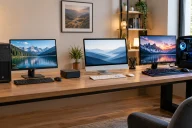
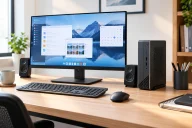
A Windows tablet paired with a keyboard and external monitor creates a versatile workstation that combines tablet portability with desktop-level productivity.
Advantages include:
- Complete desktop software support
- Business application compatibility
- Hybrid laptop-tablet functionality
- Strong multitasking capabilities
- Extensive peripheral support
For users who require traditional computing power, Windows tablets remain a compelling option.
Artificial Intelligence and Tablet Operating Systems
Artificial intelligence is becoming a defining feature of modern tablet operating systems.
AI-Powered Productivity
Tablet operating systems increasingly incorporate AI to enhance user experiences through:
- Smart writing assistance
- Real-time translation
- Voice-based productivity
- Automated task management
- Intelligent search
- Predictive recommendations

Modern tablet showcasing AI-powered features including photo editing, voice assistant, handwriting recognition, and smart productivity suggestions.
AI enables tablets to become proactive assistants rather than passive computing devices.
AI in Creative Workflows
Creative professionals benefit from AI-powered features such as:
- Image generation
- Photo enhancement
- Video editing assistance
- Handwriting recognition
- Design suggestions
- Automated content creation
These capabilities significantly reduce workflow complexity and increase productivity.
Cloud Computing and Cross-Platform Integration
Modern tablet operating systems increasingly rely on cloud connectivity.
The Shift Toward Cloud-Based Experiences
Cloud services allow users to:
- Access files from multiple devices
- Synchronize settings automatically
- Collaborate in real time
- Stream applications
- Backup data securely
This trend reduces dependence on local storage and improves device flexibility.
Ecosystem Integration
Today’s leading tablet platforms emphasize ecosystem connectivity. Examples include:
- Apple ecosystem integration between iPhone, Mac, and iPad
- Android synchronization across phones, tablets, and Chromebooks
- Windows integration with PCs and enterprise systems
This interconnected approach enhances productivity and user convenience.
The Future of Tablet Operating Systems
The next generation of tablet operating systems will likely blur the distinction between tablets, laptops, and smartphones even further.
Advanced AI Integration
Future tablet OS platforms are expected to feature:
- Context-aware assistants
- Personalized workflows
- On-device AI processing
- Natural language interfaces
- Predictive task automation
AI may eventually become the primary method of interacting with tablet devices.
Enhanced Multitasking
Future operating systems will likely provide:
- Desktop-level window management
- Improved external display support
- Dynamic workspace customization
- Better keyboard and mouse integration
These features will help tablets compete directly with traditional computers.
Foldable and Flexible Devices
The rise of foldable technology will influence tablet OS design.

Next-generation foldable tablet transitioning between smartphone, tablet, and laptop modes, showcasing the future of flexible computing and mobile productivity.
Operating systems will need to support:
- Dynamic screen resizing
- Multi-display configurations
- Flexible user interfaces
- Adaptive application layouts
Software adaptability will become increasingly important as hardware evolves.
Augmented Reality and Spatial Computing
AR and spatial computing technologies may significantly impact future tablet operating systems.

Advanced AI-powered tablet projecting augmented reality workspaces, virtual screens, holographic interfaces, and interactive spatial computing tools for future productivity.
Potential innovations include:
- Immersive productivity environments
- 3D content creation tools
- Spatial multitasking
- Interactive educational experiences
- Enhanced remote collaboration
These technologies could redefine how users interact with digital content.
Conclusion
The evolution of tablet operating systems has been one of the most significant developments in modern computing. Early tablet platforms struggled with limited hardware and software capabilities, but today’s operating systems offer powerful productivity, creativity, and entertainment experiences. Android, iPadOS, and Windows have each carved out unique positions within the tablet ecosystem, serving different user needs and preferences. As artificial intelligence, cloud computing, foldable devices, and spatial technologies continue to advance, tablet operating systems will become even more intelligent, adaptable, and capable. The future of tablet OS evolution points toward devices that seamlessly combine the portability of tablets with the productivity of traditional computers, creating a new generation of versatile computing experiences that will shape the digital world for years to come.